Sustainable rubber flooring production is not just about making a product — it’s about creating value that lasts, both for the environment and for the people who use it.
In Gujarat, manufacturers are increasingly embracing eco-friendly processes that reduce waste, conserve resources, and deliver high-quality flooring solutions.
The journey begins with responsible sourcing.
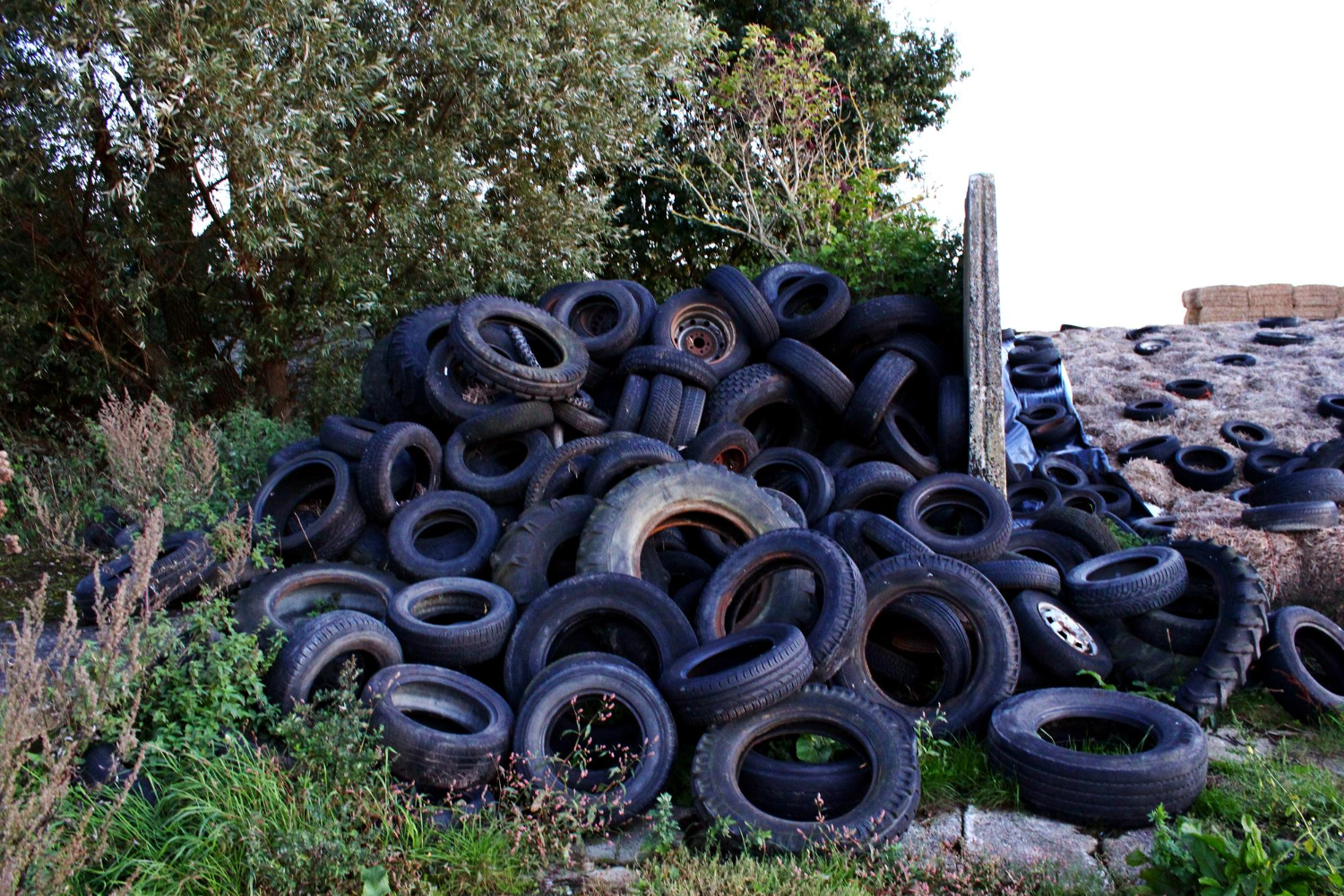
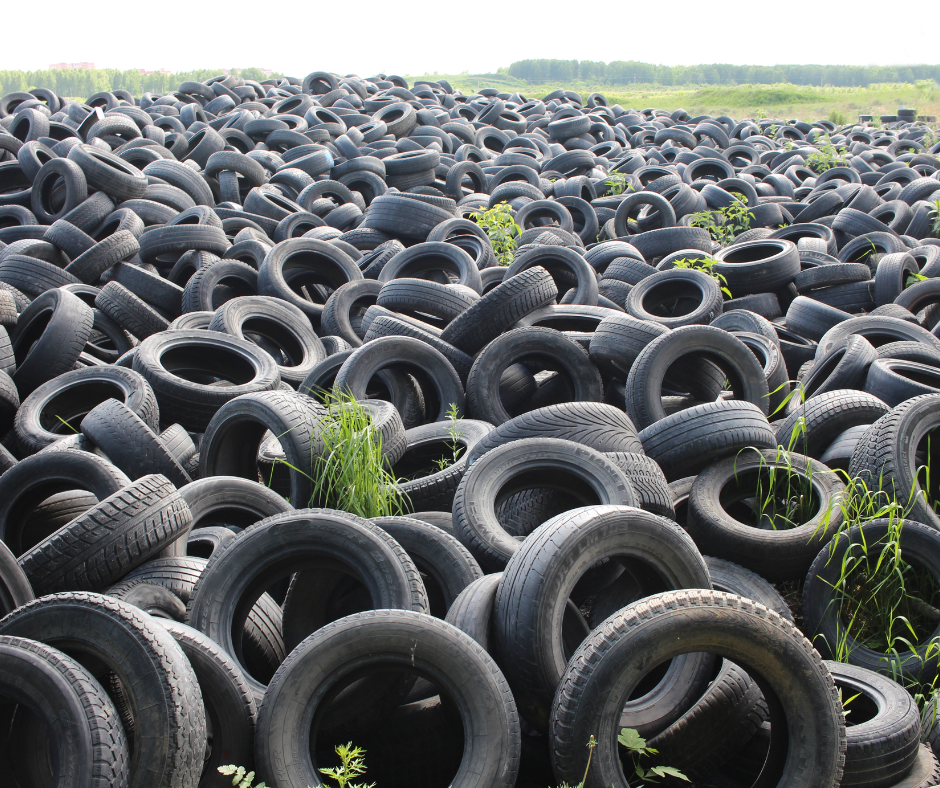
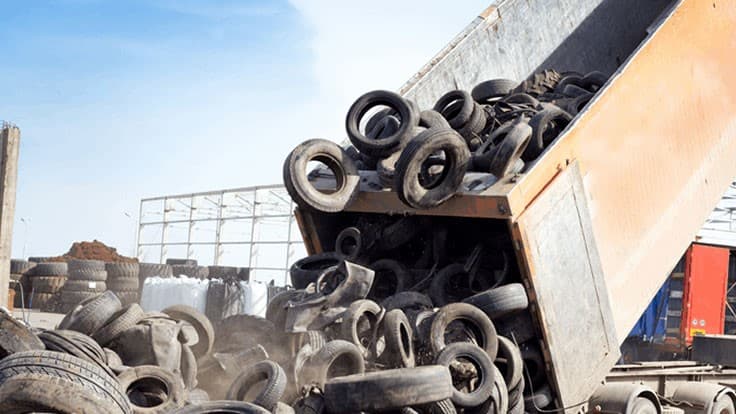
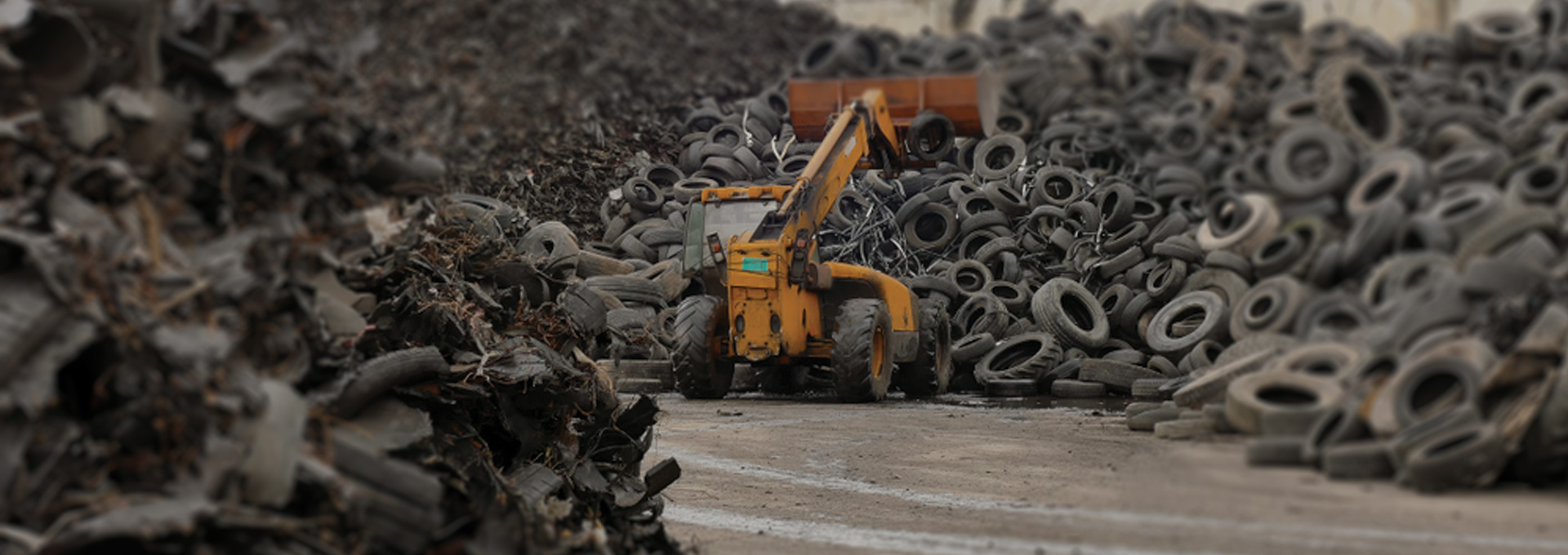
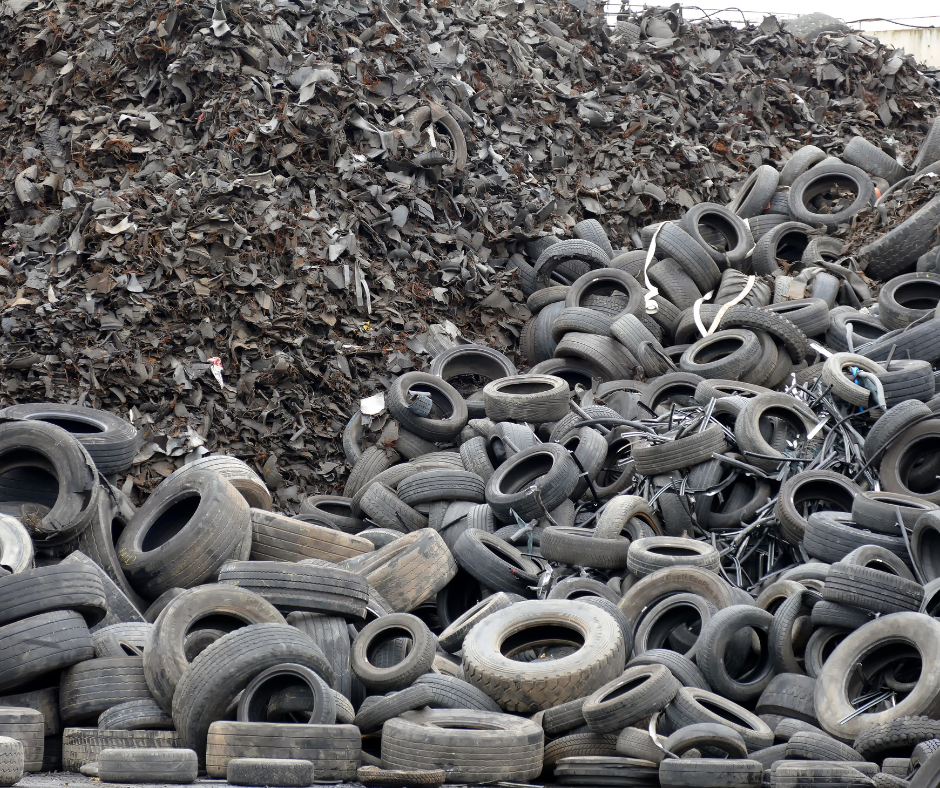
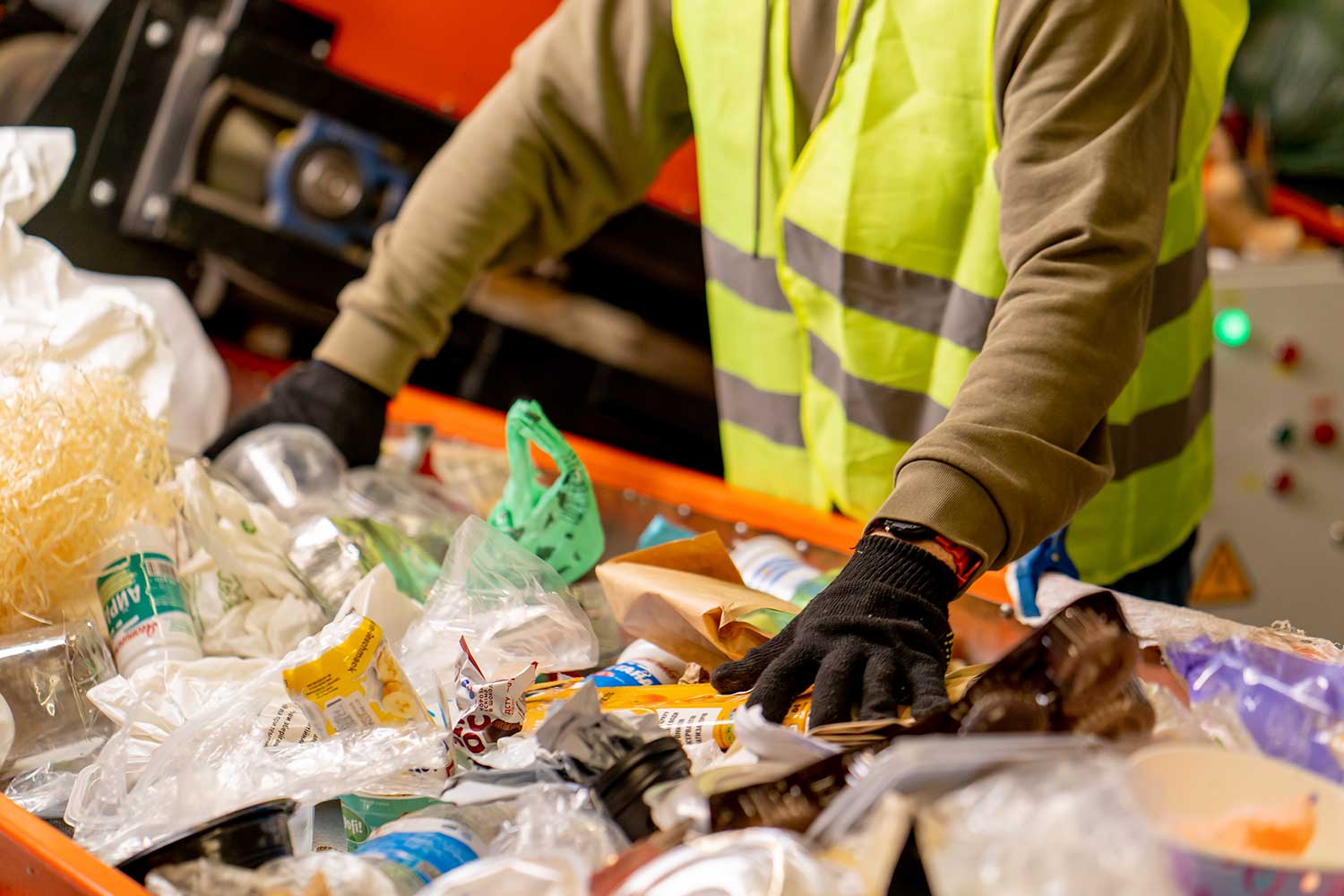
Recycled rubber, often sourced from end-of-life tyres and industrial rubber scrap, is collected and processed to meet strict quality standards.
By using reclaimed materials, manufacturers reduce their dependence on virgin rubber, preserving natural resources and cutting down on harmful extraction processes.
Once the raw material is prepared, efficient manufacturing techniques come into play.
Modern machinery and precision cutting tools ensure that each piece of flooring is produced with minimal waste.
Offcuts and excess material are reprocessed, ensuring that nothing goes unused.
Energy efficiency is another critical factor in sustainable production.
Factories are investing in energy-saving equipment and optimizing production schedules to reduce electricity consumption.
In some cases, renewable energy sources are being integrated into operations, further lowering the carbon footprint.
Quality control is maintained throughout the process.
From testing durability and slip resistance to ensuring uniform thickness and color, each product is designed to meet both functional and aesthetic requirements.
This ensures the flooring will last for years, reducing the need for frequent replacements — a win for both consumers and the planet.
Another best practice is the use of non-toxic adhesives and coatings.
This makes the flooring safer for indoor use, improves air quality, and ensures compliance with health and safety standards.
It also aligns with the growing consumer demand for healthier, more sustainable building materials.
Beyond the factory floor, sustainability extends to packaging and logistics.
Manufacturers are adopting recyclable packaging materials and optimizing transport routes to reduce fuel use and emissions.
Collaboration within the industry also plays a big role.
By sharing technology, techniques, and market insights, flooring producers in Gujarat are helping one another improve quality while maintaining environmental responsibility.
Sustainable production is also a market advantage.
With customers becoming more conscious about the origins of their purchases, eco-friendly flooring has a competitive edge in both domestic and international markets.
The Gujarat Rubber Recyclers Association actively promotes these best practices through workshops, training sessions, and policy advocacy.
By encouraging innovation and supporting compliance with global sustainability standards, the association ensures that Gujarat remains a leader in this field.
In the end, sustainable rubber flooring production is about more than just recycling materials — it’s about creating products that are durable, safe, and environmentally responsible.
By combining innovation, efficiency, and environmental awareness, the industry is proving that profitability and sustainability can go hand in hand.
When these best practices are followed, every roll, tile, or mat of rubber flooring becomes a testament to the industry’s commitment to a greener, more sustainable future.